
Seasonal flooding plays a fundamental role in shaping fish productivity across the Amazon basin. It is not only the peak water level that matters, but also the duration of the flooded period.
When rivers rise higher and remain flooded for longer, fish gain extended access to the flooded forest — a highly productive environment rich in food resources. This expanded habitat offers abundant feeding opportunities, especially for herbivorous and omnivorous species, as well as increased structural complexity for shelter and protection from predators.
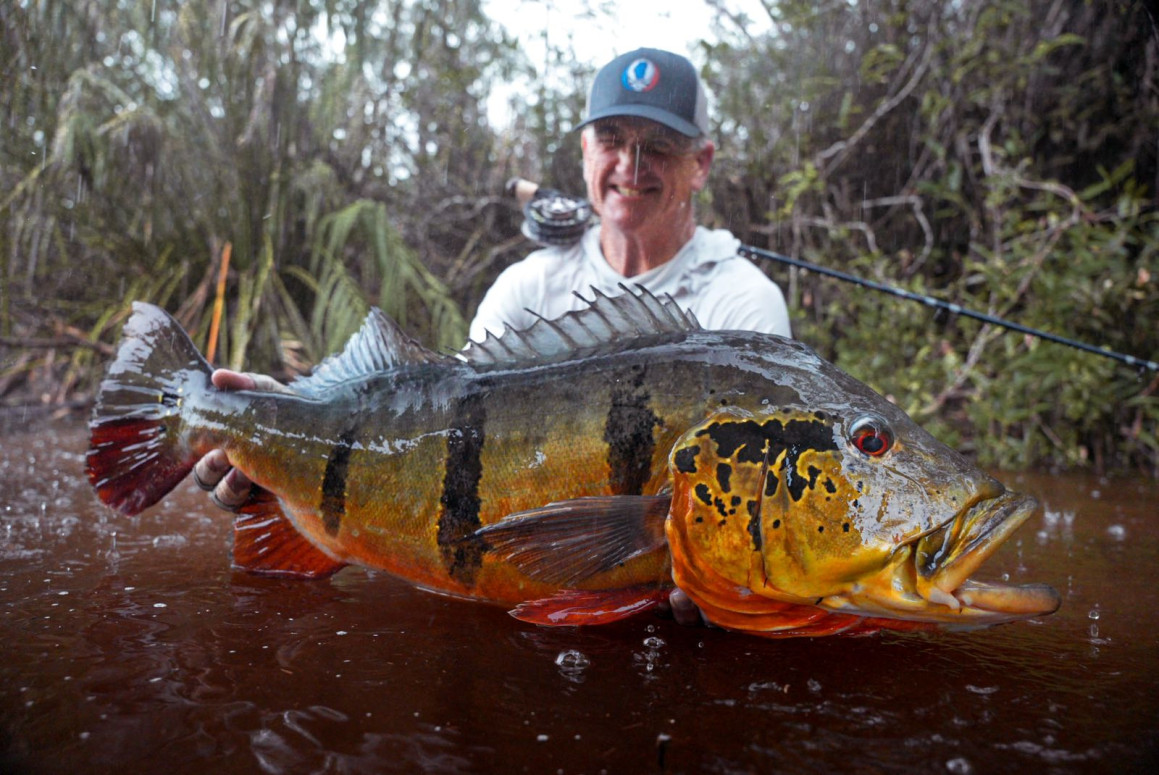
At the same time, higher water levels reduce fish density across the system. With more space available, fish are less concentrated, which lowers competition for resources and increases access to higher-quality food. Extended flooding also allows fish to disperse more widely, reducing intraspecific competition and supporting overall population health.
For predatory species, however, this phase presents a different challenge. As prey becomes more dispersed, it becomes harder to locate and capture, particularly for piscivorous fish. In addition, areas of slow or stagnant water — often rich in decomposing organic matter — can experience reduced dissolved oxygen levels, creating environments that are only suitable for species capable of breathing atmospheric air.
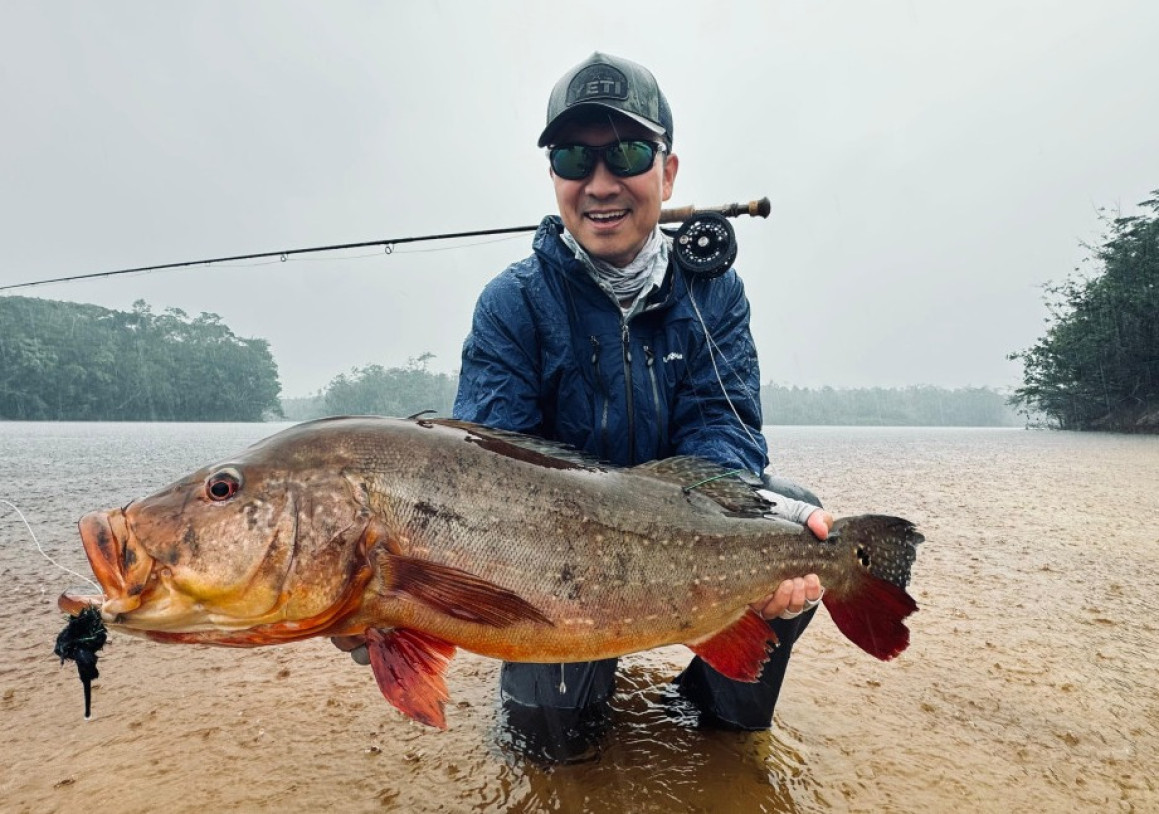
From an ecological and fisheries perspective, the most favorable scenario follows a clear pattern:
high and prolonged flood seasons, followed by a consistent and gradual drop in water levels, without abrupt fluctuations or extreme drought conditions.
This natural rhythm concentrates fish back into the river channels, increases predator-prey interactions, and ultimately creates the conditions for exceptional fishing productivity.


 riomarieflyfish